Do Good Cameras Take Good Photos? The Truth About Gear and Photography
Yvan Cohen
Wed Jun 17 2026
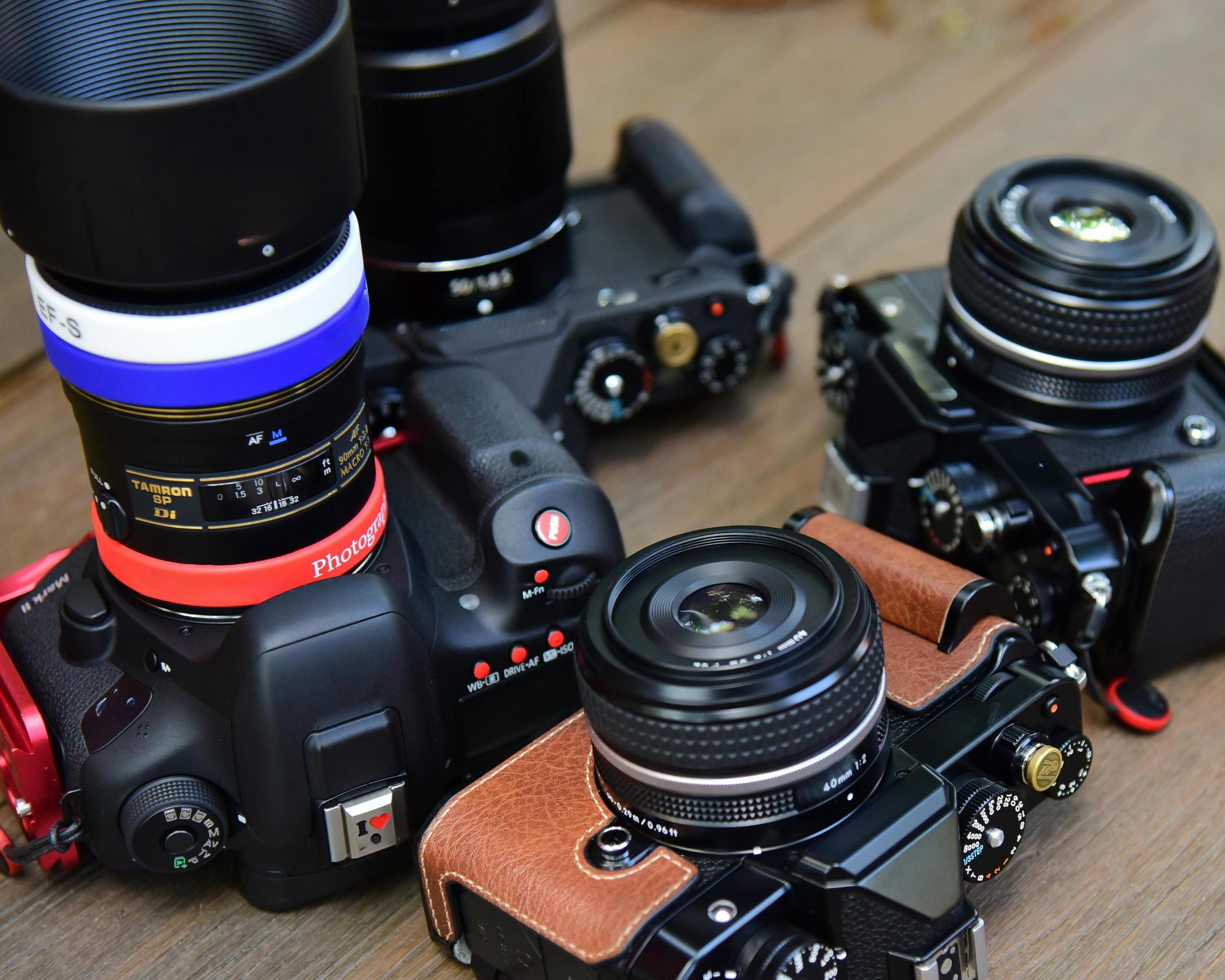
Do Good Cameras Take Good Photos? Photo by Sóc Năng Động
I recently read an article where the author argued that the most consequential decision a photographer could make is the choice of camera.
Really?
If your goal is to create beautiful, or at least memorable, photographs it makes sense that choosing the right camera is crucial. One could also argue, however, that the camera is immaterial; all that matters is the 'photographer's eye' (how you choose your moment and frame your shot).
Which brings us to the question of gear and just how important it is…or is it?
Is it possible to be a great photographer no matter the picture taking device? Or will great photographers always take fantastic photographs whether they're using a cheap mobile phone or a Leica that costs thousands of dollars?
Like most creative conundrums, you won't be surprised to learn there is no easy binary yes/no answer.
A better camera won't automatically make you a better photographer, but the right camera for your style and subject matter can make a real difference. Build quality, sensor size, and format all play a role but the creative choices you make as a photographer will always matter more than the gear in your hands.
Here are four areas to consider when deciding what camera might be best for you:
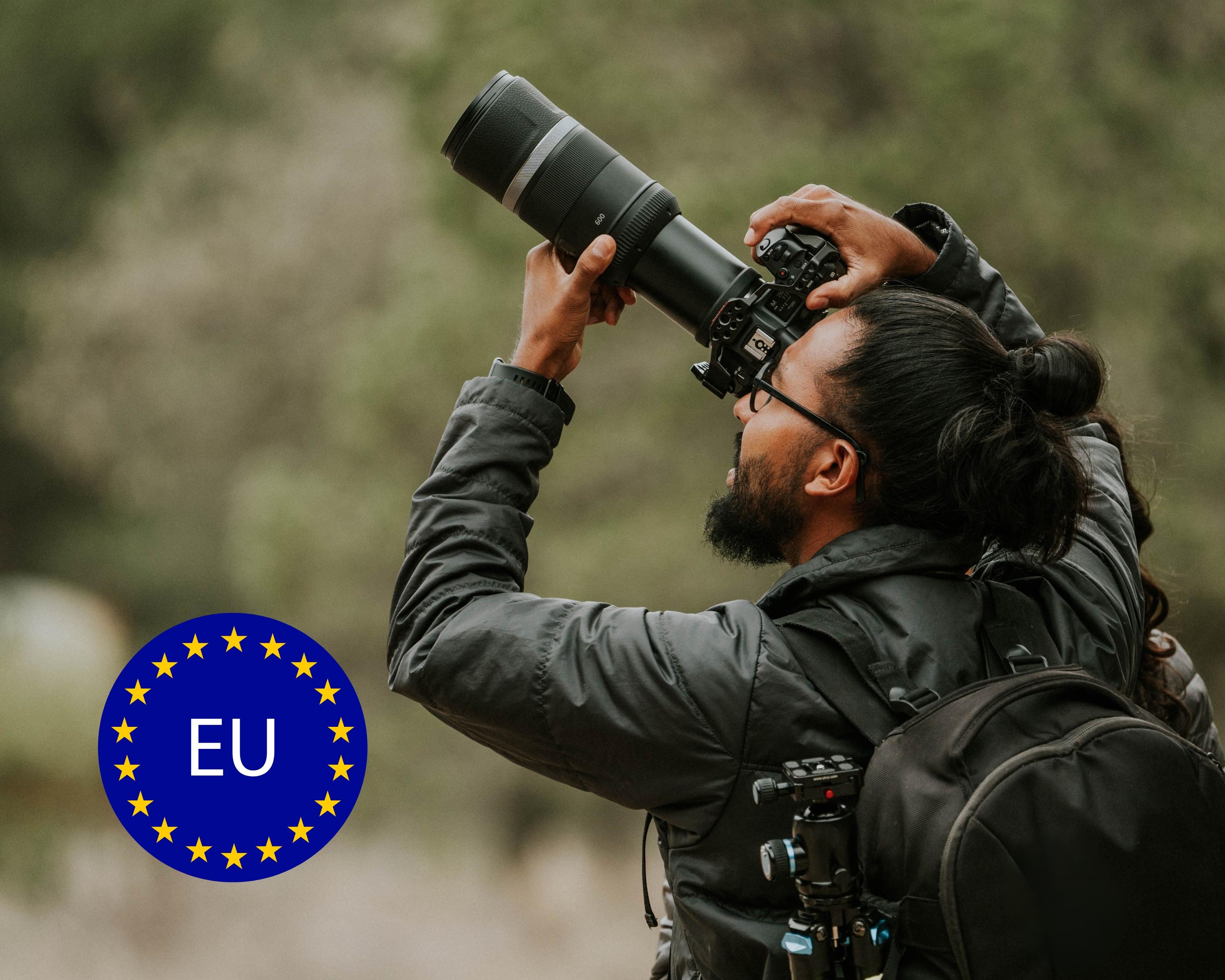
1. Professional vs Amateur DSLR: Does the Price Tag Actually Matter?
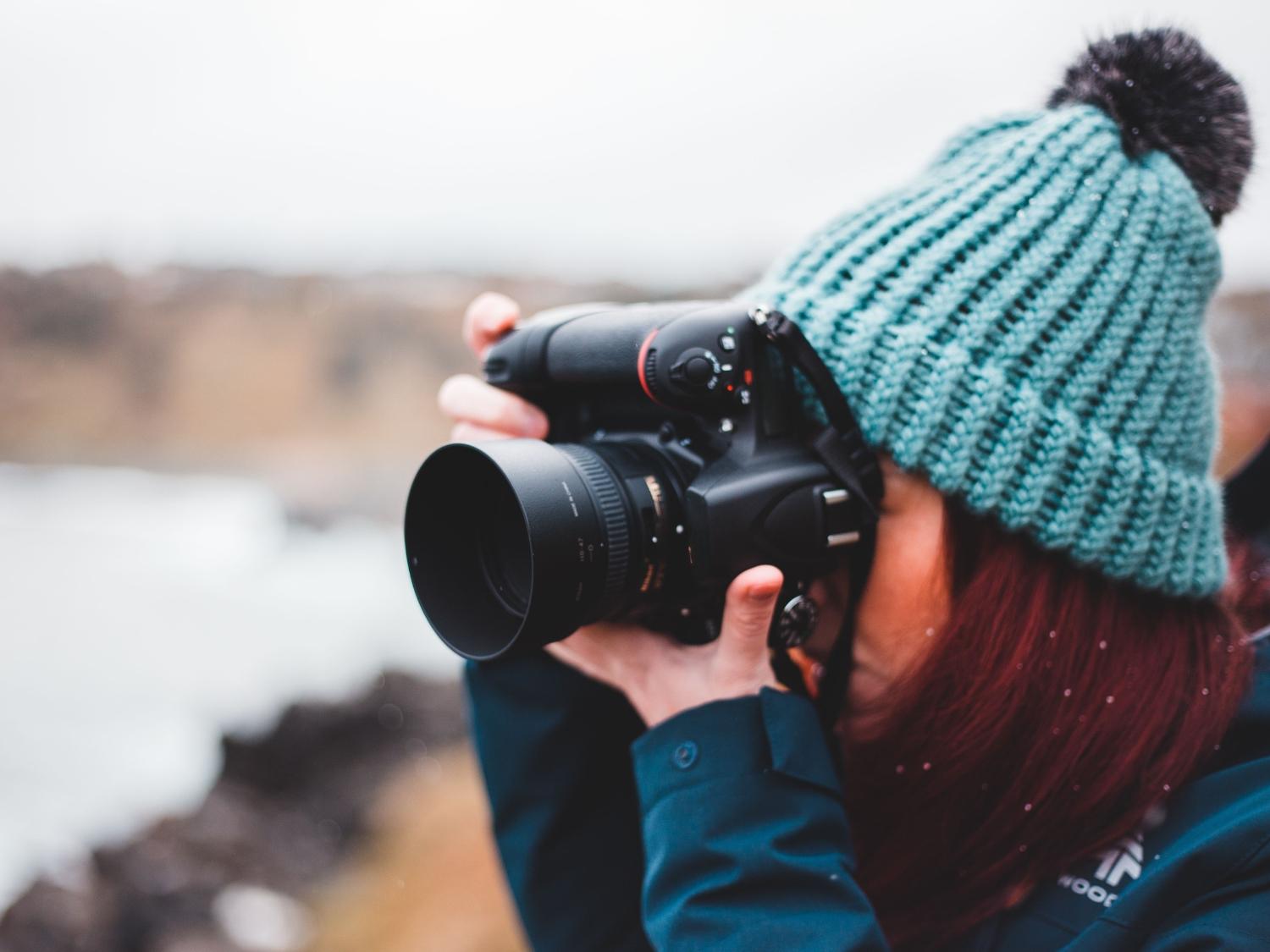 Professional vs Amateur DSLR: Does the Price Tag Actually Matter? Photo by Erik Mclean
This is the question so many photographers ask themselves. Should I spend the extra dollars on buying an expensive camera that's branded as professional, or can I get away with something a lot cheaper; one of those cameras sometimes described as 'prosumer'?
The short answer is that either of these cameras will take great pictures. Bearing in mind that when I say "they will take great pictures", I mean specifically they can deliver high quality files (we're talking mainly about digital cameras here). Just how great the actual picture you'll get from them depends more on your talent and experience than on the technical specs of the camera.
The difference between professional and amateur gear relates mainly to build quality, to the materials used in the lens and to details like weather proofing and shutter durability. Professional cameras are more likely to have metal bodies, versus plastic for amateur models. They're more likely to have dust and weather sealing too.
When it comes to lenses, they will usually be made from high quality glass, where some amateur lenses are made from cheaper optical-grade plastic.
Unsurprisingly, the most important part of a digital camera is its sensor. If you're in the market for a good camera but don't want to spend the extra bucks for a professional model, try digging into the specs of the camera that interests you. Read the reviews carefully. You might find that a much cheaper camera has the same sensor as a more expensive model.
When it comes to digital photography, sensor size matters too. Being something of an old-school shooter (after many decades in the game), I have a preference for 'full-frame' sensors; that are the same size as 35mm film and can be used with traditional lenses without the cropping that occurs with APS-C and Micro Four Thirds sensors.
Of course, generally speaking, the larger the sensor the larger the camera. If you want something compact, perhaps with a fixed lens, you'll probably have to settle for an APS-C or smaller sensor. The more modern the sensor, the better the performance and results.
In sum, a professional camera means better build quality, perhaps some additional options but not necessarily a better sensor. You can find cheaper, non-professional-grade cameras that might be a little less hard wearing but have the same or similar sensors in them – meaning they can deliver files that are just as good as a professional model.
But as noted above, no matter the camera you choose, especially when it comes to DSLRs, the excellence of the images it produces will be completely up to you.
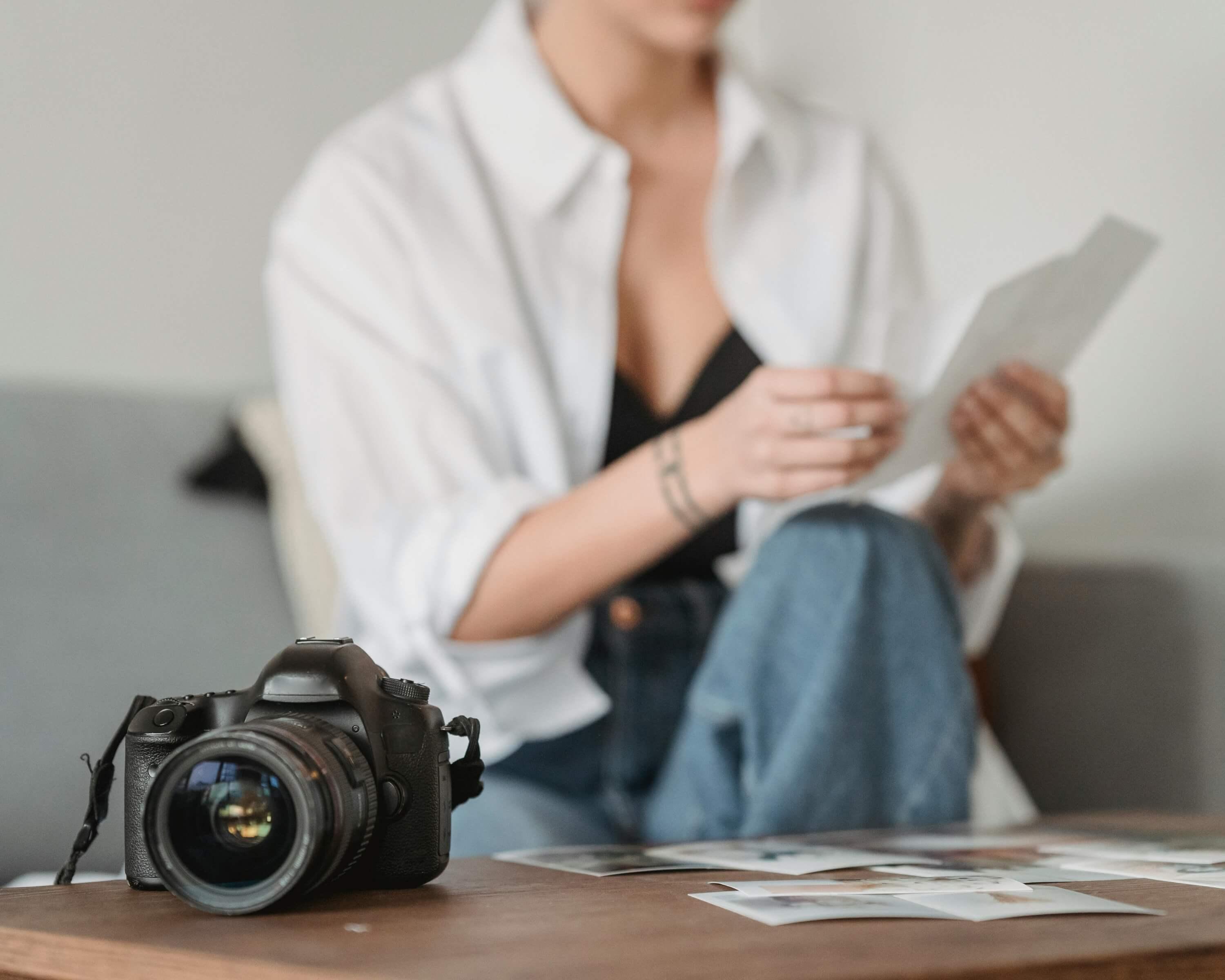
2. Can a Smartphone Take Better Photos Than a DSLR?
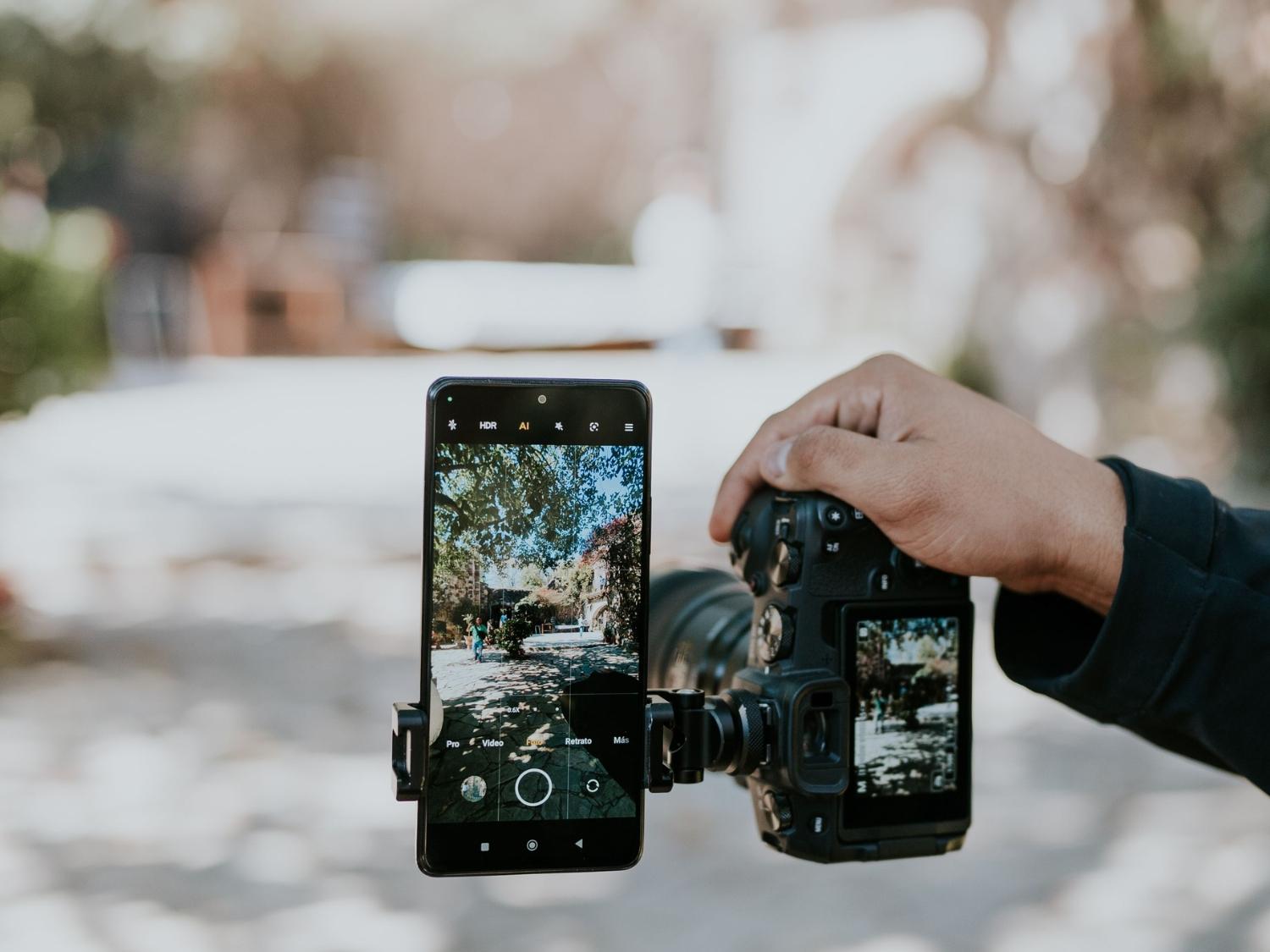 Can a Smartphone Take Better Photos Than a DSLR? Photo by Amar Preciado
You've probably heard the adage, "the best camera is the one you've got in your hand".
When it comes to the near-universal presence of mobile phones, your phone is the picture taking device you will almost always have close at hand. So, yes, that does mean there are times when you're likely to get some great pictures with your phone.
Indeed, given the advances in the quality of mobile phone cameras, there is no reason why you can't take some fantastic photographs with your phone. I would, however, add a slight caveat when it comes to mobile phone photography. The perfectly exposed, always-in-focus pictures taken with your phone camera are often the result of significant algorithmic and AI wizardry. Try taking a picture of a complex lighting arrangement with your phone and then with a fancy professional DSLR, and you'll quickly see what I mean. The phone will almost always deliver a better-looking image, with no need for processing.
As we'll discuss below, process and format are also important parts of the photographic art. The process of taking a photograph with a mobile phone is quite different from that of a DSLR.
For one, most DSLRs and larger format cameras (the ones with proper-looking lenses poking out of them) have viewfinders. If you're looking through a viewfinder to take pictures, the approach and feeling is different than if you're looking at a screen held away from the eye. Perhaps the multi-functional nature of the phone dilutes one's attention to the details of the photographic process too: the act of taking a picture becomes more casual, less loaded with intent.
Still, it's perfectly possible to take great pictures with a phone. Some famous photographers have even produced books of phone photos. Anton Corbijn's book 'Instanton' is a great case in point.
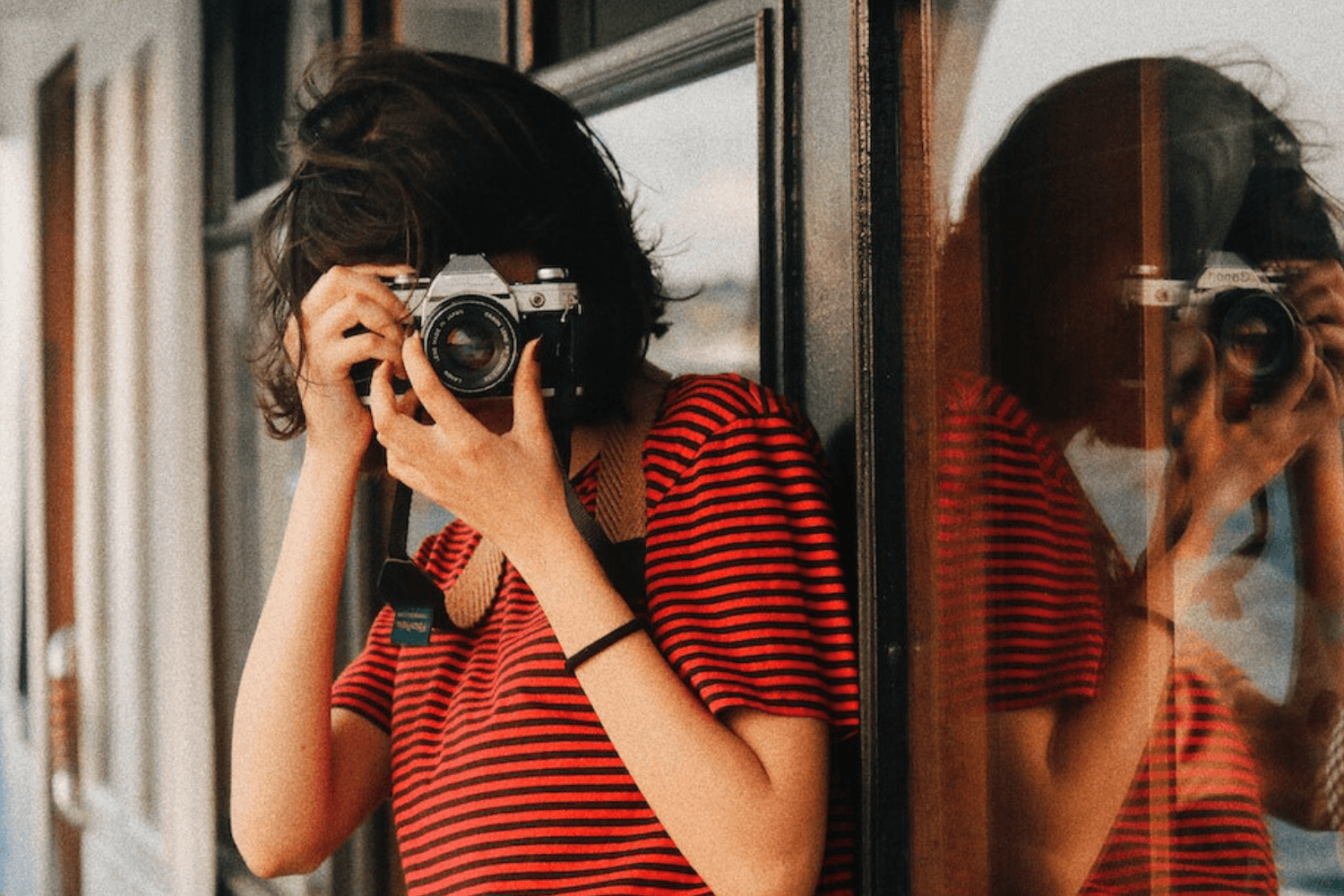
3. Analogue vs Digital Cameras: Which Produces Better Photos?
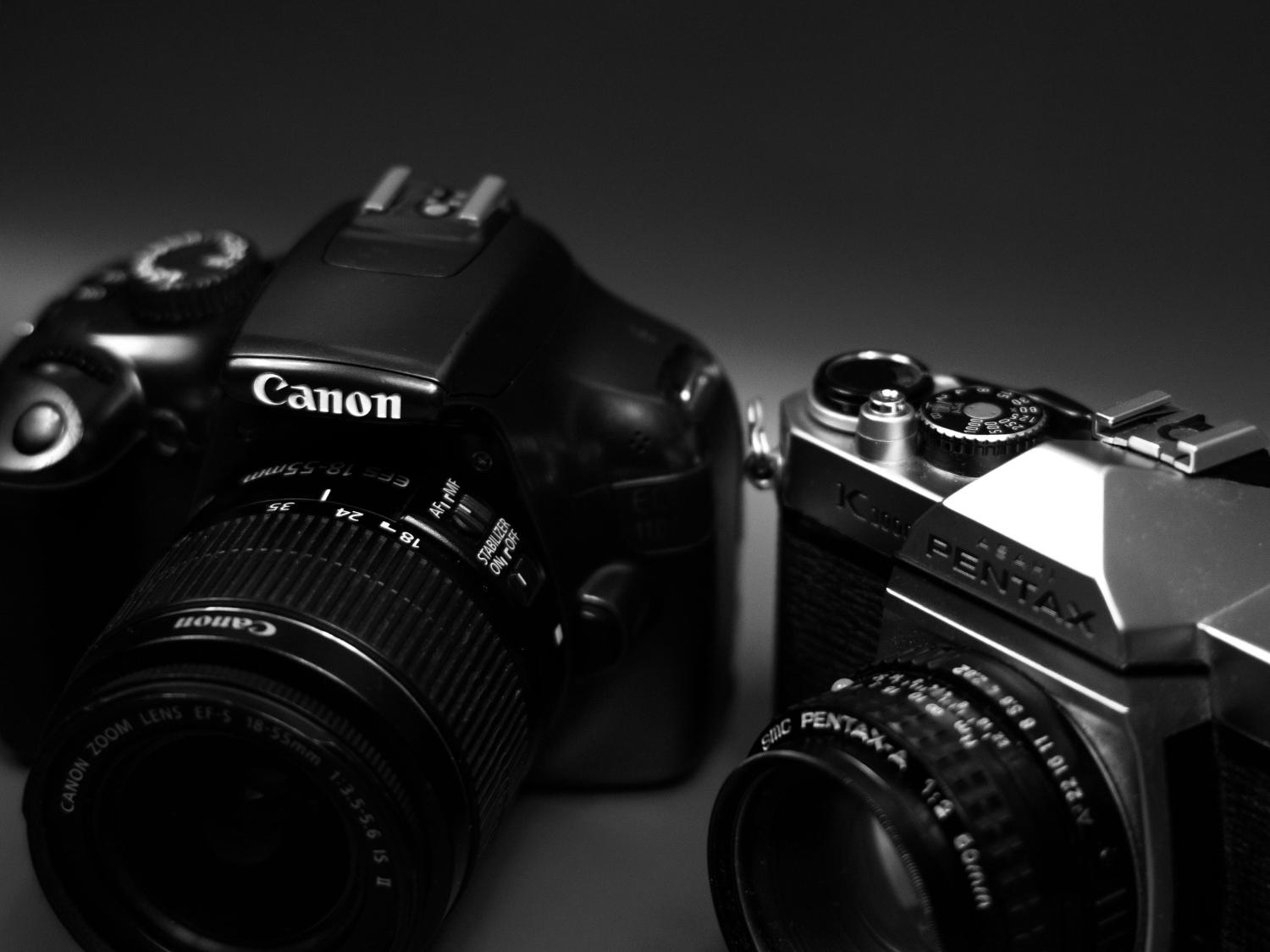 Analogue vs Digital Cameras: Which Produces Better Photos? Photo by Nothing Ahead
Writing as a photographer who learned photography using film, I have a natural appreciation for the analogue process but I also understand its limitations.
When it comes to the questions of film versus digital, we find ourselves returning to the issue of process. A digital SLR, especially one that isn't mirrorless, looks and feels much the same as a film camera. The buttons are in the same place, and the viewfinder experience is the same.
There are some photographers who argue that pictures taken with film have a different look. They feel warmer, more 'real'. They'll tell you that the grain of film gives it a unique 'feel'. To my mind, these nuances are subjective. A digital file can be processed to look like film and I'd defy anyone to distinguish the difference, especially if the original file was shot on a full frame DSLR.
This is not to say all digital files are equal. Rather like film, different sensors produce different-looking results. Some sensors produce images that are so sharpened that while crisp, they also appear slightly artificial. Again, you'll need to do some research to find the sensor that suits your style.
When it comes to film, each brand and each type of film produces a different look. Negative film looks different from slide, and the grain in your photos will vary depending on brand and ISO rating – the higher the ISO the more grain.
Among black and white photographers Kodak's Tri-X 400 became famous for being flexible in different lighting situations and delivering a result that was satisfyingly grainy and yet tonally subtle.
Let's get back to process…
There is undoubtedly a psychological shift in approach when you are photographing using a digital camera, knowing that you can take as many pictures as you like for almost no additional costs and without having to pause to change memory cards (assuming you've got a nice big card in your camera). This might seem like an advantage because you are not constrained when trying to capture the best image, but it could also be a disadvantage in that you may naturally invest less intention and perhaps less thought into each frame you shoot.
Contrast this with analogue film photography where you know you have, at most, 36 exposures. You also know that, unlike digital files which can be endlessly manipulated, film is much less malleable. You need to get your framing right and you need to be much more accurate in selecting your exposure. Film photography demands more technical skill at the time of taking the picture, and it arguably demands more concentration and intent on the part of the photographer who knows their roll of film is finite.
There is, of course, no correct answer as to which is better. Some of the greatest images in the history of photography have been created using film (since that is how photography began – the switch to digital only taking place in the early 2000s).
If you prefer a slower, more technical, more intentional process, then a film camera could be for you. By contrast digital cameras give you the ability to shoot freely and get instant feedback through the screen on your camera and their files provide a great deal of flexibility for you to work some magic in the 'digital darkroom' (using Photoshop, Lightroom and the like).
4. Does Camera Format Matter? From Phone to Medium Format Explained
Like any art form, the tool you choose can reflect the constraints of context or just a personal creative preference. If you're shooting in a remote location or in a conflict, you're going to want a camera that is portable and durable – like a DSLR.
If you're shooting in a studio and want the highest possible quality file available, you're perhaps going to opt for a medium or large format camera. If you're on the hoof, and not necessarily thinking about photography, the mobile phone in your pocket is your fallback.
As discussed above, each of these tools implies a slightly different process and approach. The DSLR is the tool of choice for photojournalists, who need a balance between mobility and quality. The large format camera implies a much slower, more deliberate, approach to creating images – it also implies a bigger budget, as these cameras (with their larger sensors) tend to be considerably more expensive.
A Good Camera is Only Part of the Story
One can hardly deny the centrality of the camera in the photographic process. Your choice of camera will reflect the type of work you seek to do and the style of images you wish to create. Ultimately, however, it is the creative choices you make in your mind's eye that will determine the quality and beauty of your work, not the camera alone. Whether you're shooting on a phone, a film camera or a high-end DSLR, the best camera is the one that fits the way you work and the stories you want to tell.
Written by Yvan Cohen | Yvan has been a photojournalist for over 30 years. He's a co-founder of LightRocket and continues to shoot photo and video projects around Southeast Asia.
To read more helpful articles on photography, check out our blog page.
Join our growing photographer community at LightRocket and get powerful archive management and website building tools for free!